

Installing a solar electric fence can be a smart choice for safeguarding your property. Technology has advanced to make this eco-friendly solution harness the power of the sun. Here, we’ll examine how to install a solar electric fence
Planning and assessing your needs is key. Figure out the size, strength, and animals you want to contain. Look at the size of your property and any needs. Once you know what you need, you can select materials.
Choose high-quality components that can withstand different weather conditions. This includes posts, insulators, wires, and energizers. Monitor the performance of your fence with voltage meters. Investing in top-notch equipment ensures the longevity and reliability of your solar electric fence.
Check out: How To Install A Garden Fence
Understanding a Solar Electric Fence
Table:
| Components | Description |
|---|---|
| Solar Panel | Gets sunlight & turns it into electricity |
| Battery | Stores energy made during daylight |
| Controller | Controls power to fence & stops overcharging |
| Fence Wire | Carries electric shocks & completes the circuit |
| Ground Rod | Makes sure it’s grounded & dissipates electrical charges into the ground |
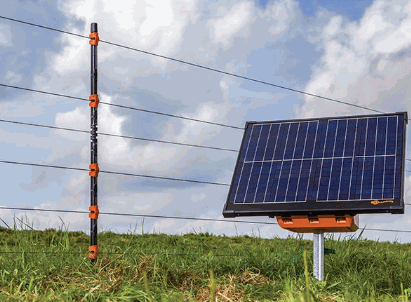
To understand solar electric fences, you must remember that the solar panel takes sunlight & turns it into electrical energy. The battery holds this energy for use on cloudy days or at night. The controller manages the power from the battery & stops overcharging.
Solar electric fences have been used for centuries in different forms. For example, ancient Egyptians used them with twigs & vines. This shows how inventive people can be about using renewable energy.
Understanding a Solar Electric Fence is more than its components. Knowing its history & appreciating its ability to use solar power to protect animals is also important. With this knowledge, you can confidently install your own solar electric fence.
Benefits of Installing a Solar Electric Fence
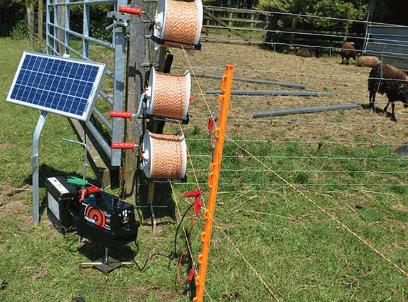
Solar electric fences offer unique solutions for livestock protection. They are eco-friendly and cost-effective and need no traditional electricity sources. Low maintenance and adjustable voltage settings make them perfect for different animals of various sizes and temperaments. Plus, they provide greater shock intensity when animals come into contact with the fence.
Installation is simple, as no expensive trenching or wiring is required. Solar panels harness energy from the sun independently, so you can set them up quickly in remote locations or areas with no access to power.
These fences have gained worldwide recognition as a reliable solution for property protection. Allied Market Research predicts the global solar electric fence market will reach $320 million by 2023.
Step-by-Step Guide to Installing a Solar Electric Fence
Installing a solar electric fence can be a tough job. Here’s what you need to do:
- Figure Out Your Needs: Estimate the length of the fence, what type of animals it will contain, and the security you want.
- Get the Right Equipment: Choose a system that fits your needs and budget. It should come with energizers, insulators, posts, wires, ground rods, and more.
- Plan the Layout: Draw a diagram or mark the area where you’ll install the fence. Consider the topography and existing structures.
- Put in Corner Posts: Install corner posts at each corner of the perimeter. These posts will anchor your fence and give it stability.
- Set Up Energizer and Wires: Place an energizer in a sunny spot for charging. Connect it to the corner posts using insulated wires in a closed-loop configuration.
- Add Insulators and Wires: Attach insulators to line posts in a regular pattern. Run wires through them with proper tension and grounding for an effective electric charge.
Remember to use materials that can withstand weather and place the solar panel in an area that gets lots of sunlight.
Maintenance and Troubleshooting Tips
Remember to do regular checks on your fence. Look for broken wires, loose connections, or worn insulators. Make sure to clean the solar panels of dirt and debris, which will maximize the power of the fence. Don’t forget to check the battery too – replace it if necessary, as a weak battery can affect the fence’s performance. Keep the perimeter of the fence free of vegetation – overgrown foliage touching the wires can interfere with its effectiveness. If you encounter any issues, troubleshoot by checking all connections and electrical components.
Inspect the ground system frequently to get the most out of your electric fence. A faulty ground can affect how well the fence works.
Regular maintenance and troubleshooting are key when it comes to keeping your solar electric fence in great shape and protecting your property.
Conclusion
Installing a solar electric fence is an awesome way to protect your property and use renewable energy. Here are 6 key points to help you:
- Gather the things you need, like solar panels, charger controllers, batteries, fence posts, and insulators.
- Choose the best spot for the solar panels based on sunlight.
- Put up the solar panels and link them to the charger controller. This will convert solar energy into electric power for the fence.
- Install the battery to store electricity generated by the solar panels for use on cloudy days or at night.
- Put up the fence posts and add insulators along the boundary of your property.
- Attach the charged fence wire to each post with insulated wire connectors.
Remember, maintaining your solar electric fence is important to keep it working well. Check it often for any damage or plants that might stop it from doing its job.


