
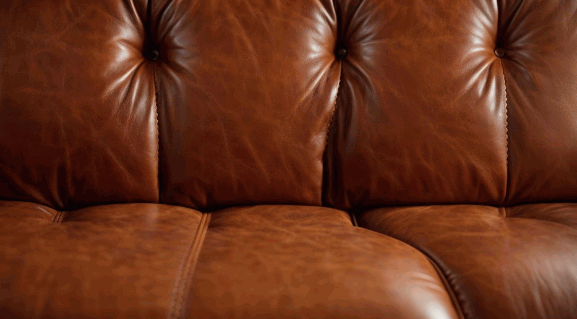
Leather furniture can make any room feel luxurious. However, to keep it looking its best, it requires proper cleaning and maintenance. Here’s how to clean leather furniture without causing any damage.
- Gather the right supplies: mild soap, distilled water, soft rags, and a vacuum with a brush attachment. Vacuum the furniture’s surface to remove dust before you start cleaning.
- Test the cleaner on a small, unnoticeable area of the furniture. Then, wipe down the entire furniture with a damp cloth. If there are any spills or stains, rub them in circular motions.
- Rinse the cloth with distilled water and go over the furniture again to remove the soap residue. Don’t oversaturate the leather with water. Dry the furniture with a clean cloth.
- Condition the leather regularly with a high-quality conditioner specifically designed for furniture. This will help keep it looking its best.
- Avoid placing the furniture in direct sunlight or near heat sources. Use coasters or placemats. Also, flip and rotate cushions often to even out wear.
Follow these tips and your leather furniture will stay looking gorgeous for years. Enjoy the luxury of leather with confidence.
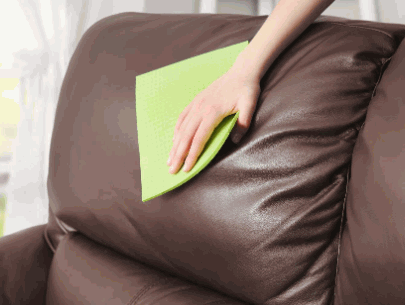
Why it’s important to clean leather furniture
Cleaning leather furniture is an absolute must to keep it looking beautiful and lasting long. Not only does it look spick-and-span, but it also helps prevent harm and extends its lifespan. Here’s why cleaning leather furniture is so important.
- Keeps it Appealing: Cleaning leather furniture gets rid of dirt, dust, and oils that accumulate over time; this restores its natural shine and prevents grime from building up and making it look tired and faded.
- Avert Stains and Damage: Leather is vulnerable to stains from liquid spills, body oils, and other things. Cleaning it regularly helps to stop stains from becoming permanent and causing permanent harm.
- Sustains Flexibility: Leather needs moisture to stay flexible and supple. Cleaning it with specialized items helps to nurture the material, preventing it from drying out, splitting, or becoming hard.
Cleaning is more than just sweeping away surface dirt; there’s more to it.
Dig Deeper: How To Clean Leather Furniture Like New
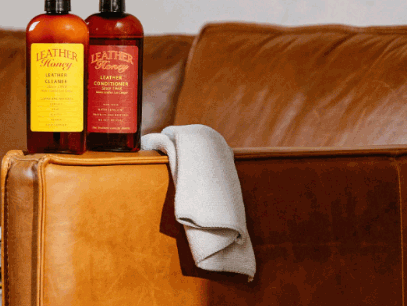
Necessary supplies for cleaning leather furniture
Cleaning leather furniture? Here’s what you need:
- Leather cleaner: Invest in high-quality stuff to remove dirt, stains, and grime without ruining the furniture.
- Soft cloths: Lint-free stuff is essential to prevent scratches or scuffs.
- Leather conditioner: To maintain the supple texture of your pieces.
- Hairdryer: Low heat setting to dry fast and avoid water stains.
- Cotton swabs: For tiny spots or intricate designs.
Read the manufacturer’s instructions. Cleaner on a cloth, not the furniture. Wipe hidden areas. Condition slowly, massage it in.
Gather the supplies. Understand their use. Cleaning leather furniture can be successful and satisfying.
Preparation before cleaning
Make sure your leather furniture is prepped for cleaning. Here’s a guide:
- Vacuum the surface with a soft brush. This’ll remove dust and dirt which may scratch the leather.
- Test cleaning solutions in an inconspicuous spot. Check if the solution doesn’t cause discoloration or damage.
- Choose the right cleaning product. It should be suitable for the type of leather you have.
- Get the necessary tools, like soft cloths, mild soap, distilled water, and a soft brush.
- Clear the area. Move any objects or decorations near or on top of the furniture.
Note: Some leather types need special care instructions from the manufacturer or supplier.
Also, regular dusting with a soft cloth can help keep the leather’s natural shine.
Step-by-step instructions for cleaning leather furniture
Instructions for Cleaning Leather Furniture: A Step-by-Step Guide
- Prepare the cleaning solution: Combine equal parts water and mild soap or liquid dish detergent in a bowl.
- Test the solution: Dampen a soft cloth with the solution and gently rub a small, inconspicuous area of the leather furniture to ensure it doesn’t cause any damage or discoloration.
- Clean the leather furniture: Dip a clean cloth or sponge into the solution and wring out any excess liquid. Gently wipe down the entire surface of the furniture, focusing on any stains or dirt. Avoid saturating the leather with the cleaning solution.
- Wipe off excess moisture: After cleaning, use a dry cloth to wipe off any excess moisture from the leather furniture.
- Condition the leather: Apply a leather conditioner to keep the leather soft and supple. Follow the instructions on the conditioner and use a clean cloth to gently rub it onto the furniture.
- Buff the leather: Use a dry, clean cloth to lightly buff the leather furniture, bringing out its natural shine.
- Repeat if necessary: For stubborn stains or heavily soiled areas, repeat the cleaning process until the desired results are achieved.
Tips for Cleaning Leather Furniture:
- Avoid using harsh chemicals or abrasive cleaners, as these can damage the leather.
- Always test any cleaning solutions or products on a small, hidden area of the furniture first.
- Regularly dust and vacuum the leather furniture to prevent dirt and debris from accumulating.
- Keep the furniture away from direct sunlight and heat sources to prevent fading and drying out of the leather.
A Brief History of Leather Furniture Cleaning:
Throughout history, leather has been a prized material for furniture due to its durability and luxurious appearance. Over time, people have developed various methods and techniques to effectively clean and maintain leather furniture. From using natural ingredients like vinegar and olive oil to the development of specialized leather cleaning products, the goal has always been to preserve the beauty and longevity of these cherished pieces.
Dust bunnies beware, cleaning leather furniture is a serious business, even if you look like a cat burglar in the process.
Dusting and vacuuming
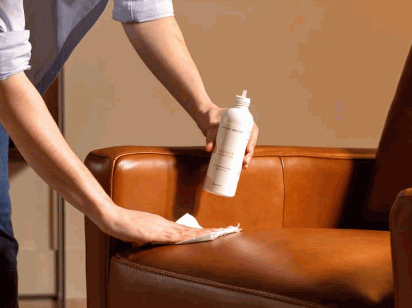
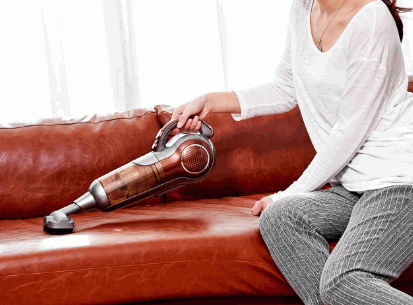
Gently wipe down leather furniture with a soft cloth or microfiber duster. Pay special attention to creases, seams & corners where dust accumulates – use a soft-bristled brush for this. Avoid abrasive materials & harsh chemicals – they could discolor or damage the leather. Vacuum with a brush attachment made for leather surfaces. Different types of leather may have specific cleaning methods or products – check the manufacturer’s instructions or consult an expert.
Removing stains and spills
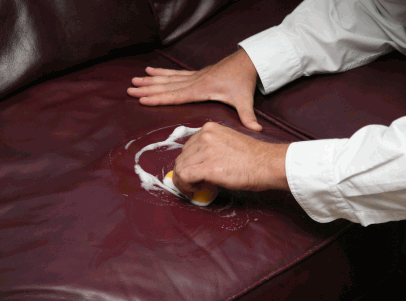
- Blot the stain: Use a clean cloth or towel to blot the stained area. Don’t rub, as that could spread the stain and harm the leather.
- Mix soap and water: Use mild soap and water to make a mild cleaning solution. Wet a soft cloth in the solution, wringing out any extra liquid.
- Clean the stain: Use the damp cloth in a circular motion to wipe the stain. Don’t oversaturate the leather, which can lead to discoloration or damage.
- Rinse and dry: Use a damp cloth with plain water to rinse, then pat dry with a dry cloth or towel.
- Condition the leather: Apply a leather conditioner to bring back moisture and protect it from future stains. Follow manufacturer instructions when doing so.
- Preventive measures: To avoid future staining, consider using protection sprays or covers. Also, try not to place furniture in direct sunlight or near heat.
- Remember: Different stains require different methods. Test any cleaning solution on a hidden part of the leather first.
- Professional upholstery costs: HomeAdvisor research shows that professional upholstery cleaning services range from $100 – $400, depending on the size and location of the furniture.
Conditioning and protecting the leather
Leather furniture needs special care to keep it looking great. Here are five tips to make sure your leather furniture remains in top condition:
- Start with cleaning – use a dry cloth or vacuum brush attachment to remove debris.
- Pick a suitable conditioner – based on your leather type, choose a high-quality product. Follow the instructions precisely, and apply evenly.
- Rub it in – apply conditioner using a clean cloth or sponge in small circles. Cover the whole surface.
- Wait – give the conditioner time to absorb. This can take anywhere from 30 minutes to several hours.
- Protect – use a protective coating or spray to guard against spills and stains. Use a product specifically made for leather furniture.
Different leather types may need different conditioning methods or products. Consult the manufacturer’s instructions, or get professional advice.
Fun fact: Regular conditioning can help keep your leather furniture in good shape for longer. It prevents dryness and cracking.
Additional tips and precautions for cleaning leather furniture
Cleaning leather furniture requires extra tips and precautions. Use mild soap or a leather cleaner specially made for leather furniture. Don’t use harsh chemicals or household cleaners, as they can strip away the oils. Test any product on an area of the furniture first. Wipe with a soft, lint-free cloth, not scrubbing too hard to avoid scratches or damage.
Avoid direct sunlight or heat sources, as they can cause fading, drying, or cracking. If there are spills or stains, blot immediately with a cloth. For stubborn stains, consult a professional cleaner or get expert advice.
Regular maintenance is essential to preserve quality. Dust with a soft brush attachment often. To prevent drying, apply a recommended leather conditioner periodically.
Following these suggestions will keep your leather furniture clean and well-maintained for years. Proper care of your investment will result in its beauty and durability.
Conclusion
Wrapping up our discussion on cleaning leather furniture, it’s important to remember regular maintenance and proper care are key to preserving the longevity of your pieces. So, by following the steps and techniques in this article, you can keep your leather furniture in top shape for years.
Moreover, there are a few extra details to consider. Before using any cleaning products or solutions, always test them on a small, hidden area. Also, too much water or soaking can cause discoloration or damage, so use a damp cloth or sponge for gentle cleaning.
Finally, for extra softness and suppleness, apply a leather conditioner every 6-12 months. This helps avoid cracking and keeps your furniture looking great.


