
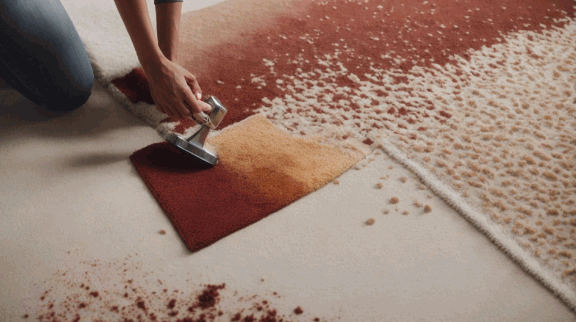
Are you tired of seeing paint stains on your beautiful carpet? Whether it’s latex, oil-based, acrylic, or watercolor paint, we’ve got you covered.
In this article, we will explore the different types of paint stains and the tools and materials you’ll need to clean them effectively. We’ll also provide step-by-step instructions for cleaning both latex and oil-based paint stains, as well as tips for preventing paint stains on your carpets in the first place.
Say goodbye to those unsightly stains and keep your carpets looking fresh and clean!
Types of Paint Stains
When it comes to dealing with paint stains on carpets, there are various types of paint that can cause stubborn stains, requiring specific cleaning approaches and techniques.
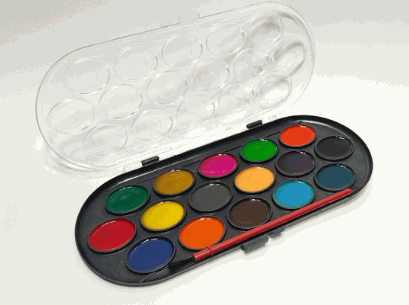
When it comes to carpet stains, each type of paint – latex, oil-based, acrylic, and watercolor – presents its own unique challenges. For instance, latex paint is water-based and can usually be removed with water and mild detergent. However, oil-based paint may require solvents for effective removal, which can be harsh on carpet fibers. Acrylic paint dries quickly, making it difficult to remove once it has set. Watercolor paint, with its pigmented nature, may also require specialized cleaning methods to prevent spreading and deep penetration into the carpet fibers.
Latex Paint
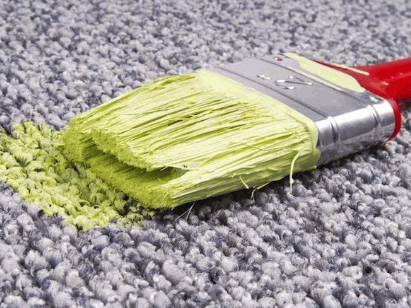
Latex paint stains on carpets can be challenging to remove, requiring specific cleaning agents and techniques to effectively address and eliminate the stains.
To remove latex paint stains, begin by blotting up as much of the paint as possible with a clean, white cloth or paper towel. Be careful not to spread the stain further. Next, create a solution of warm water and mild dish soap and gently dab the stained area. For tougher stains, a mixture of white vinegar and water can be effective. Once the stain is lifted, rinse the area with water and dry thoroughly.
To prevent future stains, consider using mats or rugs in high-traffic areas or applying a carpet protector.
Oil-based Paint
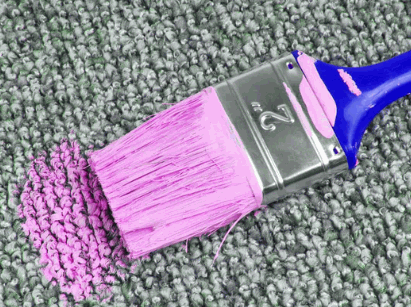
Oil-based paint can be a tough stain to remove from carpets. It’s best to address these stains promptly to prevent them from setting and becoming more difficult to remove. Professional carpet cleaners have the expertise and access to specialized cleaning solutions to effectively tackle these stains without damaging the carpet fibers.
Pre-treatment techniques, such as blotting with a clean cloth or using a mild detergent solution, can help loosen the paint before the professional cleaning process. Having a thorough understanding of these methods can greatly increase the chances of successfully restoring the carpet’s appearance.

Acrylic Paint
Acrylic paint stains on carpets can present unique challenges, especially when they involve fabric or upholstery, requiring specific cleaning techniques and materials for effective removal without causing damage.
When dealing with acrylic paint stains on upholstery or fabric, it’s important to act quickly and gently blot the affected area with a clean cloth to absorb as much of the paint as possible. Avoid rubbing the stain, as this can spread it further.
Once excess paint is removed, a mixture of dish soap and warm water can be used to gently scrub the area. For stubborn stains, a commercial upholstery cleaner specifically designed for acrylic paint may be necessary. It’s crucial to test any cleaning solution on a small, inconspicuous area first to ensure it doesn’t cause damage to the fabric or upholstery.
Watercolor Paint
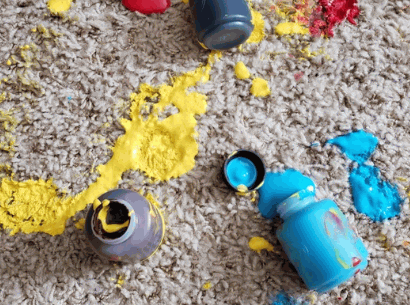
Watercolor paint stains on carpets require careful attention and prompt action due to their unique absorption characteristics, making it crucial to utilize absorbent materials and techniques for effective cleaning and stain removal.
The nature of watercolor paint often leads to quick absorption into carpet fibers, posing a significant challenge for removal. Promptly blotting the stained area with a clean, absorbent cloth can help minimize the spread of the paint and prevent deeper penetration.
The use of absorbent materials, such as baking soda or cornstarch, can aid in lifting the paint from the carpet fibers, facilitating effective cleaning. The key is to address the stains as soon as possible to prevent them from setting and becoming more difficult to remove.
Tools and Materials Needed for Cleaning Paint Stains
To effectively clean paint stains from carpets, it is essential to have the right tools and materials on hand, including a carpet cleaner, scrub brush, vinegar, rubbing alcohol, and a clean cloth.
Having a steam cleaner can be significantly beneficial for lifting tough paint stains from the carpet fibers. A paint scraper or putty knife can also help remove dried or hardened paint.
A vacuum cleaner with a brush attachment is useful for removing loose paint particles before applying any cleaning solution. Additionally, using a carpet stain remover specially formulated for paint stains can expedite the cleaning process and prevent any permanent discoloration.
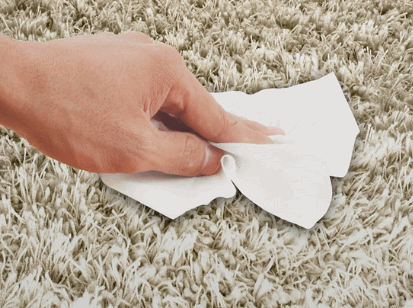
Paper Towels
Paper towels are essential for immediate blotting of liquid paint spills on carpets. This serves as a crucial initial technique to prevent the stain from setting and spreading further.
Paper towels are a highly effective tool for cleaning up spilled paint on carpets. Their absorbent nature helps prevent the paint from penetrating deep into the fibers, making it easier to remove. Additionally, their quick absorption capabilities help contain the spill and prevent it from spreading to a larger area. By using paper towels as a first response to paint spills, you can minimize the overall impact and make the cleanup process much more manageable.
Clean Cloth
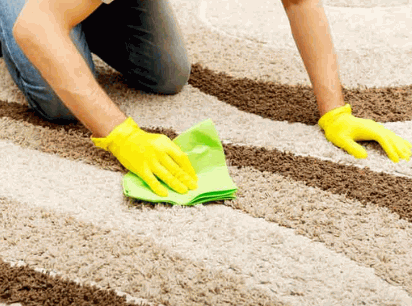
A clean cloth is indispensable for dabbing and applying DIY vinegar-based cleaning solutions to effectively address paint stains on carpets and minimize their impact.
This approach is crucial as it helps absorb the paint residue from the carpet fibers, preventing the stain from setting in further. By using a clean cloth, you ensure that the cleaning solution is applied evenly and more efficiently, leading to better results.
The vinegar in the cleaning solution acts as a natural disinfectant, eliminating any bacteria or odor left behind by the paint. This gentle yet effective method not only cleans the carpet but also helps maintain its quality and longevity, making it a practical solution for addressing paint stains.
Dish Soap
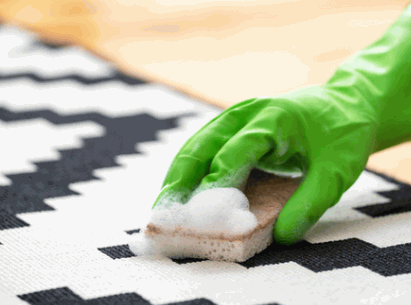
Dish soap serves as a versatile cleaning agent for scrubbing and addressing various types of paint spills and stains on carpets, offering effective techniques for stain removal.
When it comes to removing oil-based paint spills from carpets, dish soap is a miracle worker. It breaks down the grease and lifts the stain from the fibers, leaving your carpet looking like new.
If you’re dealing with a water-based paint stain, dish soap can still come to the rescue. Simply mix it with warm water to create a powerful cleaning solution that effectively tackles the pigments.
One of the best things about using dish soap for paint stains is its ability to cut through tough stains without damaging your carpet. It’s a gentle yet effective solution that many households swear by.
White Vinegar
White vinegar is a valuable solution known for its absorption and stain-removal capabilities, making it an effective technique for addressing and neutralizing paint stains on carpets.
White vinegar is a powerful tool for removing paint stains from carpets. Its acidic properties work to break down the chemical composition of the paint, making it easier to lift off the carpet fibers. This natural ingredient also helps to neutralize and counteract the alkaline properties of many paint types, minimizing their staining impact.
Using white vinegar as a stain remover is not only effective but also environmentally friendly and cost-effective. By applying it promptly and with care, you can maintain the pristine condition of your carpets without relying on harsh commercial products.
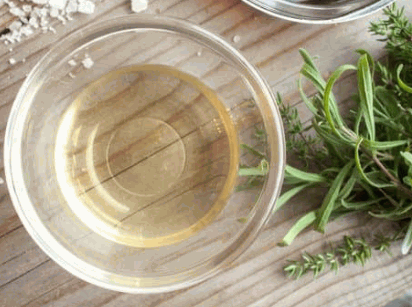
Rubbing Alcohol
Rubbing alcohol serves as a potent carpet cleaner, particularly for the pre-treatment of oil-based paint stains, offering effective measures for addressing stubborn and deeply embedded stains.
Did you know that rubbing alcohol can effectively break down oil-based paint stains, making them easier to remove from carpet fibers?
For stubborn and deeply embedded stains, try blotting the affected area with a cloth soaked in rubbing alcohol. This gradual process helps to lift the stain from the carpet, resulting in a thorough and comprehensive cleaning.
For tougher stains, combine rubbing alcohol with a gentle carpet brush to loosen the stain and allow for better absorption of the cleaning solution. This will leave your carpet looking refreshed and spotless.
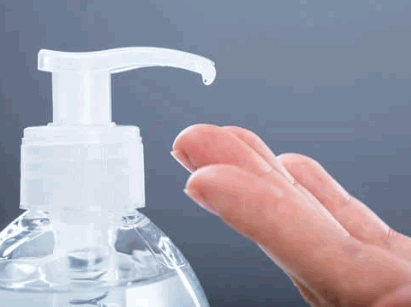
Carpet Cleaner
A quality carpet cleaner, whether utilized professionally or for DIY cleaning, is an indispensable tool for effectively combating and eradicating paint stains from carpets.
Removing paint stains from carpets requires more than just surface cleaning. A quality carpet cleaner not only removes visible stains but also penetrates deep into the fibers to eliminate any traces of paint particles. With powerful suction and cleaning solutions, these cleaners effectively loosen and lift stubborn paint stains. Plus, their adjustable settings and attachments make them versatile for tackling different types of spills, making them a go-to solution for maintaining a spotless carpet.
Dig deeper: Can I Clean A Wool Rug With A Carpet Cleaner
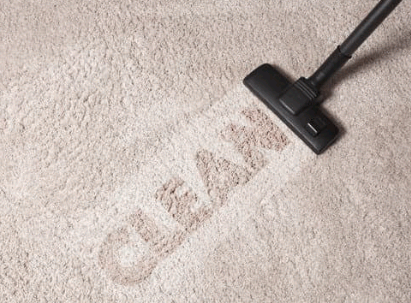
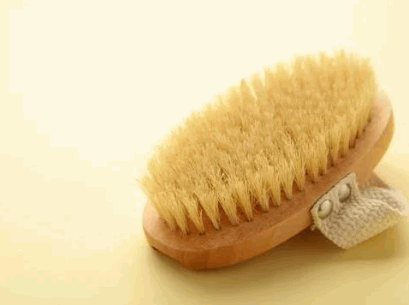
Scrub Brush
A scrub brush is an invaluable tool for implementing effective cleaning techniques and methods, especially when addressing paint stains that affect carpet upholstery and fibers.
The sturdy bristles of this scrub brush are designed to penetrate deep into fabric, effectively lifting and removing stubborn paint particles. Its ergonomic handle provides a comfortable grip for seamless scrubbing, making it suitable for use on various surfaces such as tough carpet fibers and delicate upholstery.
The firm yet gentle action of a scrub brush can agitate and loosen paint stains, allowing cleaning solutions to effectively penetrate and lift blemishes from fibers. By utilizing a scrub brush, you can efficiently and practically tackle paint stains and ensure thorough cleanliness of carpeted areas and upholstery.
Steps for Cleaning Latex Paint Stains
Addressing latex paint stains on carpets requires a systematic approach, involving specific techniques such as blotting, vacuuming, and the application of targeted cleaning solutions to ensure effective stain removal.
Blotting is essential to absorb excess paint before it sets into the carpet fibers. Vacuuming can also help remove any loose particles.
After these initial steps, it’s crucial to apply a cleaning solution suitable for latex paint stains. Gently work the solution into the affected area and let it sit for a few minutes to break down the paint. Carefully blot the area again, repeating the process until the stain is lifted. Remember to avoid scrubbing vigorously, as it can cause damage to the carpet fibers.
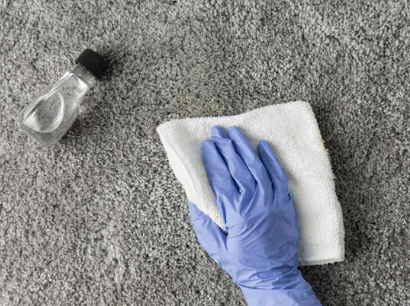
Blot the Stain
The initial step in addressing latex paint stains on carpets involves immediate blotting to prevent the paint from seeping deeper into the carpet fibers and promoting absorption of the liquid component.
This crucial step helps to limit the spread and penetration of the paint, thereby minimizing the overall damage to the carpet.
Immediate blotting not only aids in removing excess paint but also prevents the formation of a more stubborn stain. By swiftly absorbing the liquid component, the potential for long-term discoloration and setting of the paint is significantly reduced, making subsequent cleaning and removal efforts more effective.
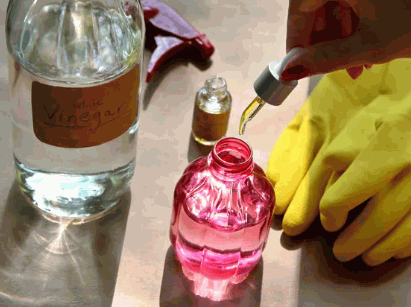
Mix a Cleaning Solution
To effectively combat and neutralize latex paint stains on carpets, you can create a targeted cleaning solution using common household items like vinegar and baking soda. This DIY approach is both cost-effective and efficient.
To make the solution, mix one cup of white vinegar with two cups of warm water in a spray bottle. Then, generously spray it on the latex paint stain and let it sit for 10-15 minutes.
Next, sprinkle baking soda over the affected area and gently scrub with a soft-bristled brush. Allow the solution to fizz and work its magic for about 30 minutes before blotting it with a clean cloth.
If needed, you can repeat the process until the stain completely vanishes, leaving your carpet fresh and clean. This method is safe for most types of carpets and can save you from expensive professional cleaning services.
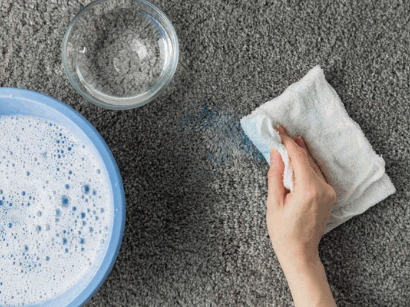
Apply the Solution and Blot the Stain
Apply the prepared cleaning solution to the latex paint stain and implement a blotting technique to facilitate absorption and ensure effective penetration of the solution into the affected carpet fibers.
This process allows the cleaning solution to work its way into the fibers, breaking down the paint particles and gradually lifting the stain from the carpet. It’s important to be patient during this step to allow the solution to fully interact with the stain.
The blotting technique helps to gently lift the loosened paint from the carpet fibers, promoting thorough removal. By repeating these steps as necessary and ensuring complete saturation and blotting, you can effectively tackle the latex paint stain on the carpet.
Rinse with Water and Blot Dry
Thoroughly rinse the treated area with water and proceed to blot dry, ensuring proper carpet care and the elimination of residual paint particles and cleaning solution from the affected spot.
This step is crucial in removing any remaining paint particles and cleaning solution, preventing them from causing further damage to the carpet fibers. By thoroughly rinsing and blot drying, you ensure that the treated area is left clean and free from any potentially harmful residues. This helps maintain the appearance and longevity of your carpet while also preventing any unpleasant odors or discoloration that may occur if the area is not properly rinsed and dried.
Steps for Cleaning Oil-based Paint Stains
Tackling oil-based paint stains on carpets demands a specialized approach, involving pre-treatment methods and potentially seeking professional cleaner intervention for comprehensive and effective stain removal.
Before attempting the removal process, it’s crucial to blot as much of the fresh paint as possible using a clean cloth or paper towel.
Next, apply a small amount of solvent like mineral spirits to break down the paint. Professional cleaners have the expertise and industrial-grade equipment to thoroughly extract oil-based paint from the carpet fibers, ensuring a successful and seamless restoration of the affected area.
Scrape off Excess Paint
The preliminary step in addressing oil-based paint stains on carpets involves carefully scraping off any excess paint to prevent further spreading and facilitate subsequent cleaning techniques for stain removal.
This process is critical as it prevents the paint from seeping deeper into the carpet fibers, making it easier to address the stained area effectively. By removing excess paint, you can also avoid inadvertently spreading the stain to other parts of the carpet.
This initial step paves the way for the application of targeted stain removal products and methods, ensuring a more thorough and successful cleaning process.
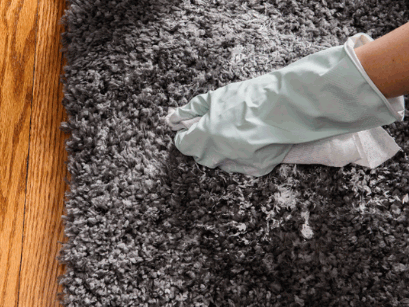
Apply a Cleaning Solution and Blot the Stain
To effectively remove an oil-based paint stain from your carpet, start by applying a targeted cleaning solution. Use a blotting technique to ensure thorough penetration and treatment of the affected fibers.
This process helps break down the paint particles, making it easier to lift the stain from the carpet. Gently blot the area with a clean cloth or paper towel to absorb the loosened paint and cleaning solution without causing damage.
Repeat this process until the stain is considerably lighter or completely removed, allowing your carpet to regain its original appearance.
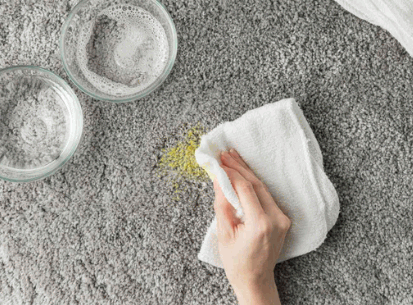
Rinse with Water and Blot Dry
Conclude the cleaning process by thoroughly rinsing the treated area with water and blot drying, implementing preventive techniques to safeguard the carpet from residual paint and cleaning solution remnants.
This last step is crucial to ensure that all traces of the paint and cleaning solution are completely removed from the carpet fibers. It helps to prevent any potential damage or discoloration that could occur if these residues are left behind.
After rinsing, blot-drying the area with a clean cloth or paper towels will aid in effectively absorbing any remaining moisture, leaving the carpet in a dry and pristine condition. These actions, when properly executed, contribute to maintaining the carpet’s longevity and appearance.
Preventing Paint Stains on Carpets
Implementing preventive measures to cover and protect carpets from potential spills and accidents is crucial for minimizing the risk of paint stains and ensuring regular maintenance and care.
To protect your carpet and maintain its appearance, consider using protective covers or rugs in high-traffic areas. This simple step can prevent spills from penetrating deep into the fibers, extending the carpet’s lifespan. Additionally, promptly cleaning and blotting any spills can prevent stubborn paint stains. By taking these preventive measures, you can keep your carpet clean and well-maintained, enhancing the overall aesthetic of your space.


