
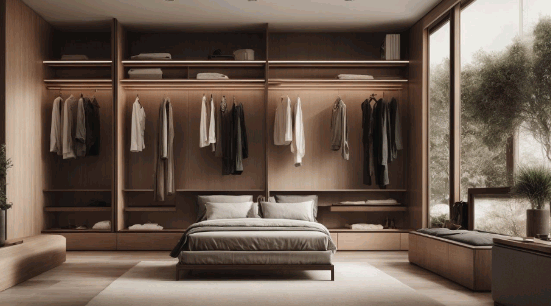
Exploring the art of wardrobe design for bedrooms is like discovering a treasure trove! This article dives into innovative ideas, practical considerations, and even an anecdote to illustrate the power of thoughtful wardrobe design.
When it comes to bedrooms, the wardrobe isn’t just a functional storage unit. It has the potential to upgrade the atmosphere and create an environment of relaxation and organization. Styles range from sleek minimalism to ornate antique-inspired pieces. And customizing wardrobes can bring any dream bedroom to life.
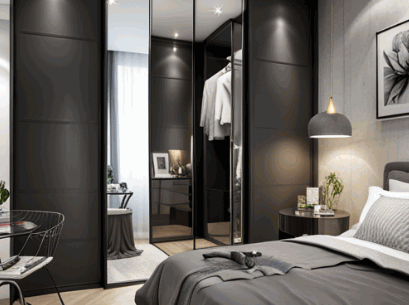
Practicality is key when designing wardrobes. Maximizing space is especially important in smaller rooms. Sliding doors with built-in mirrors, drawers beneath hanging rods, adjustable shelves, and compartments can all make a difference.
Importance of a Well-Designed Wardrobe in the Bedroom
A well-designed wardrobe is vital for the bedroom. It boosts the room’s look and provides storage for clothes and accessories. It can turn a disordered room into an orderly paradise.
The wardrobe layout optimizes space usage, so you get the most out of your area. From shelves to racks, drawers, and hanging spots – all aspects are made with practicality in mind. It gives specific spots to all items, so no more searching through clothes or looking for a shoe!
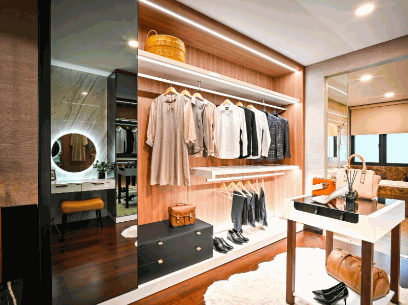
The materials and finishes of the wardrobe can add warmth or sophistication to the space. Clever lighting solutions within the wardrobe can increase visibility and set a pleasant atmosphere.
Imagine this: You wake up in a chaotic room surrounded by clothes and shoes everywhere. Frustration strikes when you can’t find that shirt. Now imagine an alternative reality – everything has its place in an aesthetically pleasing wardrobe. The ease and peace that come with an organized space is priceless.
Factors to Consider Before Designing a Wardrobe
Designing a wardrobe for the bedroom needs serious thought. Consider factors like functionality, looks, and satisfaction to make it work. Here are several points to remember:
- Space: What is the size of the room? Measure ceiling height, wall space, and dimensions to make sure the wardrobe fits.
- Storage: What will you store in it? Decide on the number of shelves, drawers, hanging rods, and compartments.
- Organization: Choose an organization system that works for you. Look at adjustable shelves, pull-out accessories, shoe racks, and lighting for easier use.
- Style: Pick a style that fits with the bedroom decor. From traditional to modern, there are tons of choices to match your taste.
- Budget: Set a budget before starting the design. It helps to prioritize and stay within financial limits.
Don’t forget the small details. Think about hardware, material, doors, mirrors, and ventilation.
Now for some wardrobe history: Ancient Egyptians considered wardrobe symbols of wealth and status. The pharaohs and high-ranking officials had wooden wardrobes with carvings, to show their social position. Wardrobes have always been important!
Uncover more: Best Bedroom Carpet
Choosing the Right Wardrobe Design
Selecting the ideal wardrobe design for your bedroom is key for crafting a useful and visually appealing space. To make this choice, here are 6 significant points to consider:
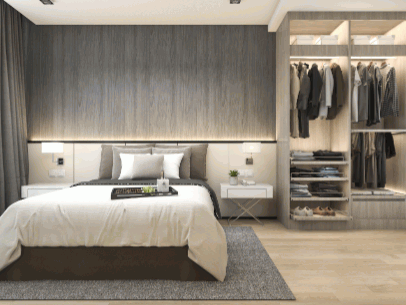
- Size: Estimate the area in your bedroom before picking a wardrobe design. This will confirm you pick a size that fits perfectly and optimizes storage.
- Layout: Think about the layout of your bedroom and how the wardrobe will fit. Consider the position of other furniture and doors for easy access and utilization of the wardrobe.
- Style: Choose a wardrobe design that suits your style and enhances the decor of your bedroom. Whether you like modern or traditional, there are many options for every taste.
- Storage: Assess your storage needs and choose a wardrobe design that offers enough room for clothing, accessories, and personal items. Check for features like adjustable shelves, hanging bars, drawers, and shoe racks.
- Organization: Consider how you want to organize your items. Some wardrobes have specialized compartments for specific things like ties or jewelry, while others provide open shelving for easy access.
- Budget: Set a budget for your wardrobe design project and stay within it. There are plenty of options at various prices, so find one that meets your functional needs and financial limits.
To make your wardrobe design unique, add custom components like built-in lighting, mirrored doors, or even a secret compartment for valuables. These details can upgrade both the functionality and beauty of your wardrobe.
For the best wardrobe design, here are some tips:
- Utilize vertical space by choosing floor-to-ceiling wardrobes or adding extra shelving units above the wardrobe. This provides more storage while utilizing space.
- Consider buying wardrobe accessories such as drawer dividers or belts and tie racks. These small items can help optimize organization and make sure everything has its place.
Lastly, select a wardrobe design with adjustable features. Adjustable shelves, hanging bars, and drawers enable flexibility and adaptability as your storage needs change.
By following these tips, you can select the right wardrobe design for your bedroom that not only meets your requirements but also improves the overall look of your space.
Maximizing Space and Efficiency in Wardrobe Design
Maximizing wardrobe space, no matter the size of your bedroom, is essential. Here are five tips for designing your wardrobe:
- Utilize vertical space with tall cabinets or shelves. This allows extra storage and keeps your items organized.
- Add drawers, pull-out racks, or hanging compartments for clever storage solutions.
- Customize to meet your needs, such as extra shelves, hanging space, or shoe racks.
- Use sliding doors to save floor space and mirrored sliding doors to create a larger illusion.
- Implement LED lighting for visibility and energy efficiency.
Smaller details such as hooks on doors for belts and scarves, and adjustable shelving systems are also important for efficiency. Marie Kondo’s KonMari method recommends keeping only what sparks joy, freeing up space for items that matter.
Lighting and Mirrors in Wardrobe Design
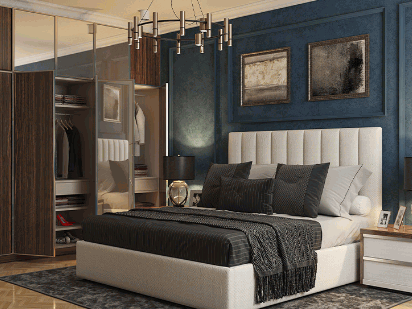
Lighting and mirrors are key for wardrobe design! Proper lighting helps you find items easily and adds a touch of sophistication. Mirrors create the illusion of more space, making the room look larger and brighter. Let’s see how these two can be used in wardrobe design.
Task lighting is important for accurate color matching and efficient dressing; LED lights inside the wardrobe or under shelves are a great way to do this. Accent lighting draws attention to certain elements, like accessories, and looks stunning. Ambient lighting sets the mood and provides sufficient lighting.
Mirrors are a must-have too. Full-length mirrors let you try on outfits in the bedroom. Sliding door mirrors are both functional and stylish. Framed mirrors add decoration and reflect light around the room.
Don’t miss out on the potential of lighting and mirrors – try different techniques and placements and find the style that suits you best. Let lighting and mirrors give you confidence and transform your bedroom experience.
Conclusion
We’ve checked out different aspects of wardrobe design for the bedroom. We’ve looked at wardrobe types, space utilization, and interior layout. A good wardrobe can make a bedroom look better and be more useful.
It is also essential to think about customization. Everyone has their own storage needs and wishes. A custom-designed wardrobe fits those needs and preferences. For instance, having compartments for accessories or shelves at the right height.
To finish, it’s important to take time and make informed decisions. The right wardrobe will change the bedroom, making it peaceful and comfortable. Look into design options, talk to experts, and think about all possibilities before you decide. Investing in a great wardrobe is investing in your happiness – don’t overlook creating the bedroom you deserve.


